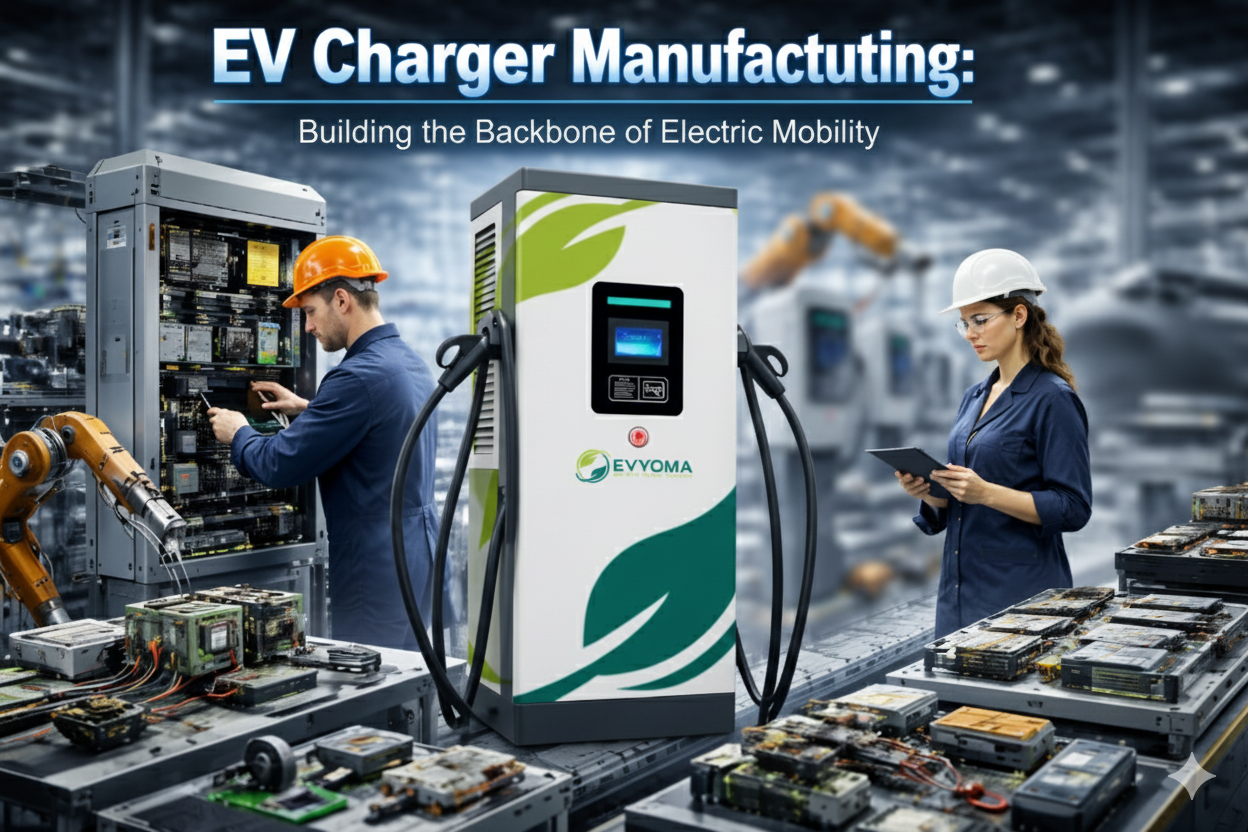
Powering the Future: An In-Depth Look at EV Charger Manufacturing India
The electric vehicle revolution in India is accelerating at an unprecedented pace, but the backbone of this transition remains largely misunderstood. While consumers focus on vehicle range and battery capacity, the real engineering marvel lies in the infrastructure. As we analyze the state of EV charger manufacturing India, it becomes clear that building a reliable charging network requires far more than just electrical outlets; it demands high-end software, robust grid management, and specialized hardware assembly.
When you plug your vehicle into a station, you are engaging with a sophisticated communication system. Modern chargers act as a bridge between the local grid and the vehicle’s Battery Management System (BMS). This interaction ensures that power is delivered safely, preventing thermal runaway and maximizing battery longevity. For those interested in the broader context of how such infrastructure fits into the automotive landscape, you can explore the latest advancements in automotive technology to understand how manufacturers are aligning their vehicles with upcoming national charging standards.
The Technical Evolution of Charging Infrastructure
The journey of EV charger manufacturing India has evolved through multiple generations. Initially, the focus was purely on hardware—getting the electricity from the grid to the car. Today, the focus has shifted toward “smart” charging. Companies are now embedding AI and cloud-based diagnostics into their units to manage load balancing. This is particularly crucial in India, where grid fluctuations can pose significant challenges to sensitive electronic hardware.
Furthermore, understanding the powertrain requirements of newer EVs is essential for any infrastructure rollout. If you are tracking market trends, our recent guide on the best Kia Sorento India powertrain and launch details provides valuable insights into how high-performance electric and hybrid vehicles are influencing the demand for standardized fast-charging ports.
AC vs. DC Charging: The Engineering Gap
To truly grasp the manufacturing landscape, one must distinguish between Level 2 (AC) and DC Fast Charging (DCFC). AC chargers are primarily for residential or office environments where the car remains parked for hours. The charger essentially tells the vehicle’s onboard converter how much power to draw. In contrast, DC fast charging bypasses the onboard converter entirely, delivering power directly to the battery. According to technical documentation on electric vehicle charging, this conversion process requires massive industrial-grade components, which represents the pinnacle of EV charger manufacturing India today.
Challenges in the Indian Charging Landscape
Manufacturing chargers for the Indian subcontinent presents unique obstacles that Western markets rarely encounter. Environmental factors like high humidity, dust accumulation, and extreme temperature variations require specialized casing and cooling systems. Moreover, grid instability means that chargers must be equipped with advanced voltage surge protection and earthing monitoring systems.
- Grid Integration: Smart chargers now feature peak-shaving technology to prevent grid overload during high-demand hours.
- Localized Maintenance: Indian CPOs (Charge Point Operators) are moving toward modular designs, allowing for rapid field repairs rather than complete unit replacement.
- Safety Compliance: Strict adherence to ARAI (Automotive Research Association of India) testing protocols has become the baseline for all local manufacturers.
The Road Ahead
As we look toward the future, the integration of solar energy with charging stations is becoming the next big frontier. The goal is to move from simply “charging” to “intelligent energy management.” By fostering a robust ecosystem for EV charger manufacturing India, the country is positioning itself to not only meet domestic demand but potentially become a global exporter of high-quality, weather-resilient charging solutions. The synergy between software developers, power electronics engineers, and policy makers will be the defining factor in how successfully India achieves its green energy goals.
